
"Ethiopia Harar"
500 article(s) found

[coffee beans] classification of Ethiopian coffee
Ethiopia jimma (djimmah Gima) Ethiopia (Ethiopia) famous coffee: Yirgacheffe, Harald, sidamo; and Djimmah are also good and balanced. It is an affordable African mocha forest coffee that grows in the natural environment and under the shade of natural forest trees.

Ethiopian coffee beans are imported. How can I buy mcofa coffee?
For more information on coffee beans, please pay attention to Coffee Workshop (Wechat official account cafe_style) Ethiopia is still a very important coffee exporter in the world, mainly producing Sidamo in Sidamo, Yirgacheffe in Yegashev, Kochere in Cochel, Harar in Hara and Djimma in Jima. Located in the south of Ethiopia, Sidamo, Yegashev,

Description of Coffee Flavor in Xidamo Shaqiso, Ethiopia, introduction to the price of the method of grindness treatment
The main producing areas of Ethiopian coffee are Harald (Harar) in the east, Djimmah (southwest) and Sidamo (south). The unique fragrance of Yirgacheffe comes from Yirga, a small town in the northwest of Sidamo province. Yirgacheffe Coffee Raw beans are the most popular coffee in the world.

Lim Limu washing local native coffee how to drink? What are the producing areas of Ethiopian coffee?
Professional coffee knowledge exchange more coffee bean information please follow the coffee workshop (Wechat official account cafe_style) Ethiopian coffee is mainly produced in eight major areas: Lekempti, Limu, Illubabor, Djimmah, Harar, Teppi/Bebeka, Sidamo, Yirgacheffe. Ethiopian coffee is highly rated in China, especially for Ethiopian coffee.

The name of Yejia Shefi and Sidama Ethiopian Coffee The birthplace of Yejia Shefi Kocher
Ethiopian coffee, as the birthplace of coffee, is known in the coffee world for its unique flavor and rich coffee gene pool. Among them, Yirgacheffe, Sidamo and Harar are the most famous. Yirgacheffe's reputation washed Yirgacheffe is the most classic and best showcase of fine coffee. Unique citrus wind

Ethiopian Coffee Bean Flavor_Hara, Gemma, Kimbile Kempti, Lim
Harar is located in the Eastern Highlands of Ethiopia (Haredge Province) and grows at an altitude of 5,000 - 7,000 feet. It was still wild on the hillside a century ago. Most of the raw beans are medium in size and pointed at both ends. The color is green with yellow or gold. When roasted, there will be

Ethiopia West Dharma coffee beans and candle coffee beans flavor taste characteristics of the difference story
There are eight major coffee producing areas in Ethiopia: Lekempti, Limu, Illubabor, Djimmah, Harar, Teppi/Bebeka, Sidamo and Yirgacheffe. Ethiopian coffee is highly valued in the country, especially in Ethiopia's Sidamo and Yirgacheffe regions. Sidamo (S)

Story of Shepherd Coffee Bean in Xidamo Guji producing area in the Sun _ description of Sidamo Shepherd Coffee Flavor
Professional coffee knowledge exchange more coffee bean information Please pay attention to Coffee Workshop (Wechat official account cafe_style) Sidama is located in southern Ethiopia, the landscape is so varied that each town has its own characteristics and diversity of coffee flavor. Shakisso is located in the Guji producing area of West Dharma, southeast of Yejia Sheffield.
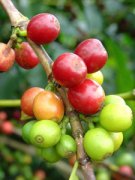
Production and processing of coffee flavor of Ethiopian coffee beans
Ethiopia's geographical environment is very suitable for coffee growth. Coffee is mainly grown in the southern highlands between 1100 and 2300 meters above sea level. The main coffee producing areas are Harar, Limu, Djimma, Sidamo, Kaffa, Yergacheffe and Wellega. The soil drainage in these areas is good.

Introduction to the characteristics of coffee flavor and taste of Ethiopian coffee manor with long, pointed beans
The highest grades of Ethiopian washed coffee Yega Chuefei G1 G2 Sidamo (Yirgacheffe, Sidamo) are Grade 2 and Grade 3 (G2, G3), while most of the sun-processed coffee in eastern Ethiopia are Grade 4 or Grade 5 (G4, G5). In many cases, level 4 coffee is marked as level 5 in order to reduce taxes. At present, the grading is not uniform and messy, because there is also sun processing.
A brief introduction to the main producing areas of delicious Ethiopian coffee
Hara (Harar) / Solar or dried (Sundried/Dry-Processed) Hara is located in the Eastern Highlands of Ethiopia (Harerge Province) and grows between 5000 and 7000 feet above sea level. It was still wild on slopes a century ago. Most of the raw beans are medium size and have long tips at both ends, with a yellowish or golden green color and strong chocolate when baking.
Wild mocha coffee beans
Ethiopia is located in the northeast plateau of Africa, the main producing areas are: Harar, Sidamo, Djimmah, Kaffa

Introduction of Yejia Snow Coffee beans for washed Refining
The main producing areas of Ethiopian coffee are Harald (Harar) in the east, Djimmah (southwest) and Sidamo (south). The unique fragrance of Yirgacheffe comes from Yirga, a small town in the northwest of Sidamo province. Yirgacheffe is a global coffee connoisseur.

Ethiopian coffee beans grinding scale processing method taste estate varieties production area introduction
Ethiopia grows coffee in different climatic zones, so it has more than 140 farm varieties and fresh coffee production all year round. The quality of Ethiopian coffee varies according to different altitudes and geographical ecological environments. Harar coffee from the South-East Highlands is typical mocha coffee with a rich aroma; Wollega coffee from the South-West has a strong fruity flavor;Limu coffee

Brief introduction of main producing areas of Sidamo Coffee Bean
Following caf é (Wechat official account vdailycom) found that Beautiful Cafe opened a small shop of its own Sidamo Coffee Bean production area profile: Hara (Harar) / Solar or dried (Sundried/Dry-Processed) Hara is located in the Eastern Highlands of Ethiopia (Harerge Province) and grows between 5000 and 7000 feet above sea level. It was still wild on the slopes and raw beans a century ago.

Ethiopian coffee beans are of high quality, very diverse flavor and shallow roast Yirgacheffe.
Boutique coffee (specialty coffee) is also called specialty coffee selection coffee. It refers to coffee made from a small number of raw beans with excellent taste grown in an ideal geographical environment. Depending on the special soil and climatic conditions in which they grow, they have outstanding flavor. After strict selection and classification, this kind of coffee is hard in texture, rich in taste and stylish.

Ethiopian Harald Coffee Legend introduction to Ethiopia's well-known coffee brand coffee beans
Professional coffee knowledge exchange more coffee bean information Please follow the coffee workshop (Wechat official account cafe_style) in the past 20 years, Harald is just a faded memory, a legend, an imprint that may not be able to be reproduced. Once upon a time, the unique blueberry flavor of Harald in Ethiopia made other coffee look good.

Is Harald mocha coffee good in Ethiopia? information on Harald coffee producing area
Professional coffee knowledge exchange more coffee bean information please follow the coffee workshop (Wechat official account cafe_style) Ethiopia is the origin of coffee. Once upon a time, there was a town in southern Ethiopia called Kafa, where there were some red fruits. The shepherd found that the sheep was so excited after eating the fruit that they picked it and tasted it, so the fruit was pawned.

Variety introduction of Harald coffee beans in Ethiopia _ how much is a pack of Harald coffee beans
Professional coffee knowledge exchange more coffee bean information please follow the coffee workshop (Wechat official account cafe_style) Harald is an ancient city with a long history and one of the four holy cities of Islam. Harald region has the most suitable altitude for Arabica coffee. It is the highest coffee producing area in Ethiopia and the most precious coffee in the world. When it comes to coffee,

Introduction to the taste characteristics of coffee from Ethiopian or Arabic flavor description
Coffee originates from Ethiopian or Arabian flavor description taste characteristics introduce that Ethiopia grows coffee in different climate zones, so it has more than 140 farm varieties, and fresh coffee is produced all the year round. The quality of Ethiopian coffee varies according to different elevations and regional ecological environment. Harar coffee in the southeast highlands is a typical Muhaka.